
Table of Contents
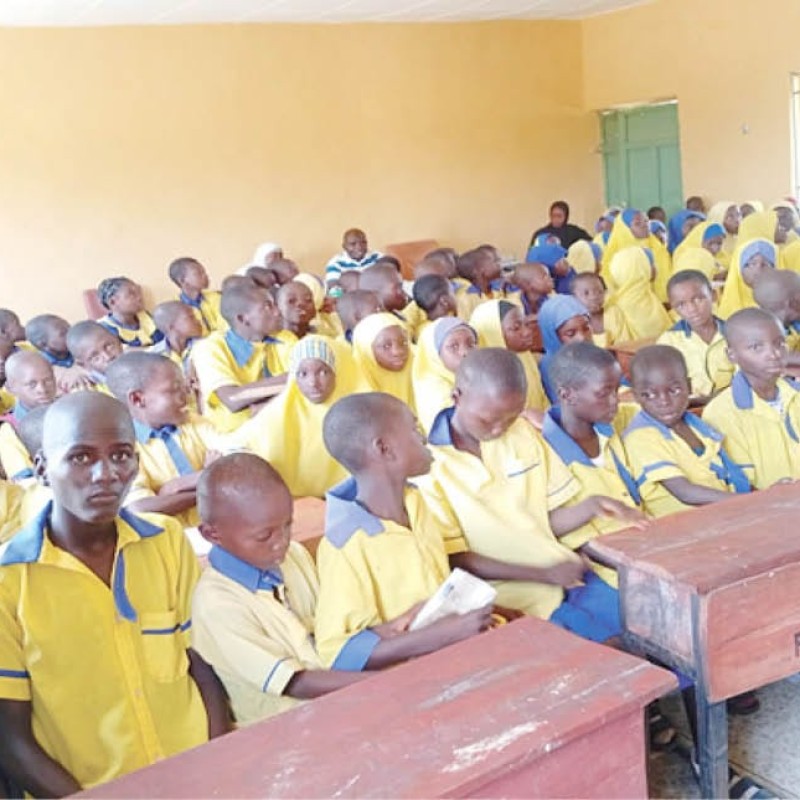
The second term of the 2025/2026 academic session began across the Federal Capital Territory (FCT) on January 5, 2026, with a strong and encouraging turnout of students, teachers, and school administrators. From the city centre to satellite communities, public secondary schools reopened their gates to bustling classrooms, renewed academic focus, and a shared sense of continuity in learning.
Early reports from schools such as Government Secondary School Apo Resettlement and Government Science Secondary School Maitama indicated that academic activities resumed immediately, with lessons in core subjects such as Physics, Mathematics, and English commencing on the first day of term. The strong attendance observed across multiple institutions reflects both improved institutional preparedness and growing confidence in the public education system within the territory.
This resumption marks not only the continuation of the academic calendar but also a critical moment in the Federal Capital Territory Administration’s broader effort to strengthen teaching and learning outcomes through infrastructure improvements, administrative reforms, and renewed policy focus.
A Smooth and Timely Resumption
Across Abuja, the reopening of schools proceeded in an orderly and coordinated manner. Students arrived early in their uniforms, many expressing enthusiasm about returning to class after the holiday break. School compounds that had been quiet during the recess quickly came alive with morning assemblies, staff briefings, and classroom activities.
Teachers were present in large numbers, and attendance registers reflected a high level of compliance with resumption directives. School principals and administrative staff had already completed preparatory work before reopening day, ensuring that classrooms were clean, timetables were updated, and teaching materials were ready.
At Government Science Secondary School Maitama, senior students resumed academic work immediately, with science and mathematics classes setting the tone for what educators described as a focused and productive start. Laboratories were reopened, and teachers began reinforcing concepts introduced during the first term while outlining expectations for the months ahead.
Similarly, at Government Secondary School Apo Resettlement, students gathered early for assembly before proceeding directly to scheduled lessons. Teachers conducted revision sessions in preparation for upcoming continuous assessments, emphasizing discipline, punctuality, and academic commitment.
School administrators noted that the orderly resumption reflected improved coordination between education authorities, school leadership, teachers, parents, and students.
Attendance Levels Reflect Growing Confidence
One of the most notable features of the resumption was the high attendance rate recorded in many public schools. Education officials and school administrators described the turnout as “massive and impressive,” highlighting the increasing level of engagement among students and educators.
Several factors contributed to this strong attendance. First, the predictability and stability of the academic calendar helped families plan effectively. Parents and guardians ensured their children returned to school on time, recognizing the importance of uninterrupted academic progress.
Second, recent investments in school infrastructure have improved the physical learning environment, making schools more conducive to teaching and learning. Renovated classrooms, upgraded laboratories, and improved facilities have enhanced the overall appeal and functionality of public schools.
Third, teachers themselves demonstrated strong commitment to their professional responsibilities. Many arrived early to prepare lesson materials and coordinate with colleagues, reflecting a renewed sense of purpose within the teaching workforce.
Education stakeholders observed that consistent attendance is essential for maintaining academic standards and improving learning outcomes. When students attend school regularly and teachers deliver lessons as scheduled, the educational process becomes more effective and impactful.
Immediate Focus on Academic Continuity
Rather than spending extended periods on administrative routines, many schools prioritized academic continuity from the very first day. Teachers began delivering lessons in key subjects, particularly those critical to national examinations and career development.
Science subjects, including Physics, Chemistry, and Biology, received particular emphasis in senior secondary classes. Mathematics lessons focused on reinforcing foundational concepts and introducing new topics aligned with the term’s curriculum.
English Language classes concentrated on reading comprehension, writing skills, and communication competence. Teachers also introduced literature components, encouraging students to develop analytical and interpretive abilities.
In addition to academic subjects, schools resumed extracurricular and co-curricular activities. Clubs, societies, and leadership programmes were reactivated, providing students with opportunities to develop skills beyond the classroom.
Guidance and counselling units also resumed operations, offering academic and personal support to students. Counsellors provided advice on study habits, examination preparation, and personal development, helping students navigate academic and social challenges.
Preparedness of Teachers and School Administrators
The smooth resumption of academic activities was made possible by the preparedness of teachers and school administrators. Prior to reopening, school leadership teams held planning meetings to review first-term performance and develop strategies for the second term.
Teachers updated lesson plans, prepared instructional materials, and reviewed curriculum requirements. Many also used the holiday period to attend professional development programmes, improving their teaching methods and subject knowledge.
School principals ensured that facilities were ready for use. Classrooms were cleaned and organized, equipment was inspected, and safety measures were reviewed.
Administrative staff updated student records, prepared attendance registers, and coordinated communication with parents and education authorities.
This level of preparation ensured that the transition from holiday break to academic engagement was seamless and efficient.
Role of Parents and Guardians
Parents and guardians played an important role in ensuring a successful resumption. Many families made early arrangements for school supplies, uniforms, and transportation.
Parents emphasized the importance of punctuality, discipline, and academic focus. They encouraged their children to approach the new term with seriousness and determination.
Parent-teacher associations also continued to support school activities, contributing to facility maintenance, student welfare programmes, and community engagement initiatives.
Education experts note that parental involvement is a critical factor in student success. When parents actively support their children’s education, students are more likely to attend school regularly and perform well academically.
Infrastructure Improvements Supporting Learning
Recent improvements in school infrastructure have contributed significantly to the positive resumption experience. Renovated classrooms provide a more comfortable and functional learning environment.
Improved laboratory facilities allow students to conduct experiments and develop practical scientific skills. Libraries provide access to books and learning resources, supporting academic research and independent study.
Improved sanitation facilities promote hygiene and student health, while reliable water supply ensures the smooth operation of school activities.
Security enhancements, including improved lighting and perimeter fencing, contribute to a safer learning environment.
These improvements demonstrate the importance of investing in educational infrastructure as a foundation for academic success.
Student Perspectives and Academic Aspirations
Many students expressed enthusiasm about returning to school. Senior secondary students, particularly those preparing for national examinations, recognized the importance of maintaining academic momentum.
Students highlighted the value of structured learning environments, access to teachers, and opportunities for academic growth.
For junior students, the resumption provided an opportunity to continue building foundational skills and preparing for future academic challenges.
Peer interaction also plays an important role in student development. The school environment provides opportunities for collaboration, teamwork, and social development.
Strengthening Educational Outcomes
Consistent academic engagement is essential for improving educational outcomes. Regular attendance, effective teaching, and supportive learning environments contribute to student success.
Education authorities continue to monitor school performance and provide support where needed. This includes teacher training, curriculum development, and infrastructure improvements.
The goal is to ensure that students receive high-quality education that prepares them for higher education, employment, and civic participation.
Commitment to Educational Excellence
The strong resumption of the second term reflects a broader commitment to educational excellence within the Federal Capital Territory. Education remains a priority for policymakers, educators, parents, and students.
Efforts to improve infrastructure, strengthen teaching capacity, and enhance student engagement are producing positive results.
The continued collaboration among education stakeholders is essential for sustaining progress and achieving long-term educational goals.
Looking Ahead
As the second term progresses, schools will continue to focus on academic achievement, student development, and institutional improvement.
Continuous assessments, examinations, and academic activities will provide opportunities to evaluate student progress.
Education authorities will continue to monitor performance and implement policies to support educational advancement.
The strong resumption of the second term provides a positive foundation for continued progress in the education sector.