
Table of Contents
Introduction: A Digital Turning Point in Education
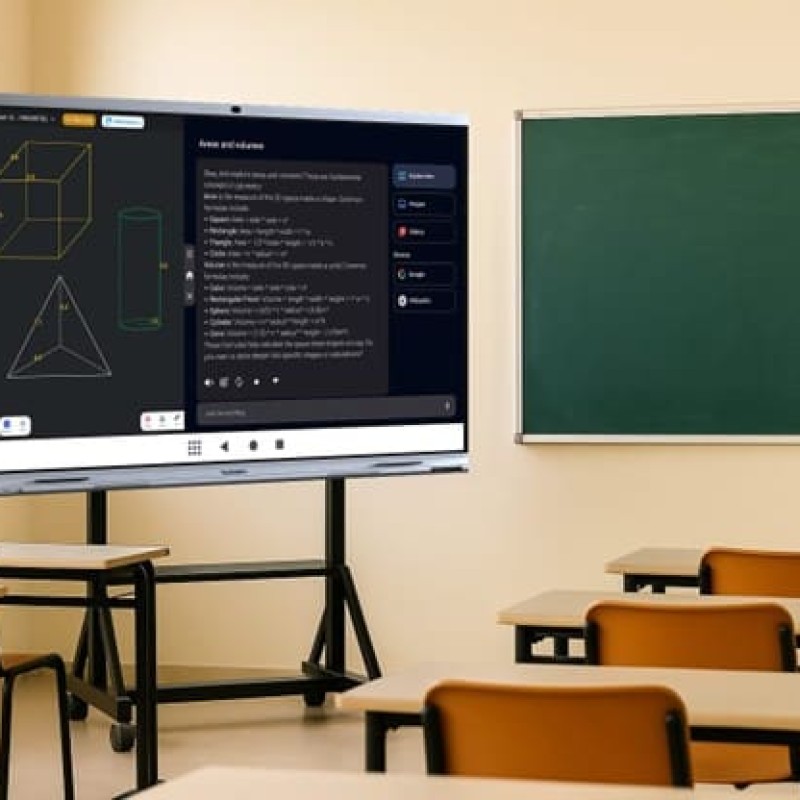
For decades, the typical classroom in Nigeria’s public education system followed a familiar pattern: chalkboards covered in handwritten notes, rows of wooden desks, and teachers delivering lessons through direct instruction while students copied material into notebooks. This model, while foundational, reflected an era when information was scarce, static, and teacher-centered.
Today, that model is rapidly evolving.
In the Federal Capital Territory (FCT), classrooms are being reimagined to reflect the demands of a digital society. Interactive learning platforms, artificial intelligence tools, online collaboration systems, and digital assessments are replacing—or complementing—traditional methods of instruction.
This transformation follows the nationwide rollout of a revised basic education curriculum designed to prioritize digital literacy, critical thinking, creativity, and practical problem-solving skills. Within the FCT, implementation has already begun across public secondary schools, including institutions such as GSS Gwagwalada, where teachers and students are adapting to a new educational reality.
The shift represents more than a technological upgrade. It is a structural change in how education is conceived, delivered, and experienced.
Why Digital Literacy Is No Longer Optional
The global economy is undergoing rapid digital transformation. Industries ranging from banking and healthcare to agriculture and manufacturing increasingly rely on data, automation, and digital platforms. As a result, digital literacy has become a foundational skill, comparable to reading and writing.
Students entering the workforce today must be able to:
- Use digital tools confidently
- Analyze and interpret information
- Collaborate using online platforms
- Adapt to rapidly evolving technologies
- Solve real-world problems using technological solutions
Education systems that fail to equip students with these skills risk leaving them unprepared for modern careers.
Recognizing this reality, education authorities in the FCT have made digital fluency a core objective of the revised curriculum.
Teachers now view technology not as a distraction, but as an essential instrument for effective teaching and learning.
The Shift from Teacher-Centered to Student-Centered Learning
One of the most profound changes introduced by technology is the shift in classroom dynamics.
Traditionally, teachers served as the primary source of knowledge. Students listened, took notes, and memorized information for examinations.
Digital learning environments, however, encourage a more interactive and student-centered approach.
Students can now:
- Access educational videos and simulations
- Participate in online discussions
- Conduct independent research
- Submit assignments digitally
- Receive immediate feedback
Teachers, in turn, serve more as facilitators, guiding students through the learning process rather than simply delivering information.
This approach promotes deeper understanding, creativity, and independent thinking.
Tools Driving the Transformation
Several digital tools and platforms are playing a central role in the FCT’s education modernization efforts.
Google Classroom and Virtual Learning Platforms
Google Classroom has become one of the most widely adopted platforms in participating schools. It allows teachers to:
- Distribute assignments electronically
- Share learning materials instantly
- Provide feedback efficiently
- Track student progress
Students benefit from organized access to course materials and improved communication with teachers.
Learning is no longer confined to physical classrooms. Students can access lessons from home or anywhere with internet connectivity.
Artificial Intelligence in the Classroom
Artificial intelligence tools are beginning to enhance both teaching and learning.
Teachers use AI to:
- Generate lesson plans
- Create quizzes and assessment questions
- Provide personalized feedback
Students use AI tools to:
- Improve writing skills
- Conduct research
- Understand complex concepts
AI helps tailor education to individual learning needs, ensuring that students who struggle receive additional support while advanced learners continue to progress.
Digital Assessments and Instant Feedback
Traditional examinations often delay feedback, preventing students from understanding mistakes promptly.
Digital assessments allow immediate feedback, helping students learn more effectively.
Teachers can also identify patterns in student performance, enabling targeted intervention.
This data-driven approach improves overall academic outcomes.
Teacher Training: The Backbone of Digital Transformation
Technology alone cannot transform education. Teachers must be equipped with the skills and confidence to use digital tools effectively.
Recognizing this, the FCT Education Secretariat has organized extensive teacher training programs.
These programs focus on:
- Digital classroom management
- Use of AI tools
- Online assessment methods
- Interactive teaching techniques
- Educational technology integration
Teachers who initially felt uncertain about digital tools are now embracing them.
Many describe the transition as challenging but necessary.
Training has helped educators understand that technology enhances—not replaces—their role.
Student Response: Enthusiasm and Adaptation
Students have responded positively to the introduction of digital learning tools.
Technology makes learning more engaging, interactive, and relatable.
Digital tools allow students to explore concepts through videos, simulations, and interactive exercises.
This improves comprehension and retention.
Students also develop practical skills that extend beyond academics.
These include:
- Digital communication
- Research skills
- Online collaboration
- Problem-solving
These competencies are essential for future careers.
Bridging the Gap Between School and Real Life
Traditional education often emphasized theoretical knowledge.
Digital education emphasizes practical application.
Students learn skills directly relevant to modern workplaces.
These include:
- Data analysis
- Coding fundamentals
- Digital communication
- Online collaboration
Education becomes more relevant and meaningful.
Students understand how their learning applies to real-world situations.
Infrastructure Improvements Supporting Digital Learning
Digital education requires reliable infrastructure.
The FCT administration has invested in:
- Computer laboratories
- Internet connectivity
- Digital devices
- Power supply solutions
Solar power systems ensure reliable electricity.
These investments create an environment where digital learning can thrive.
Challenges and Lessons Learned
Despite progress, challenges remain.
These include:
- Limited internet access in some areas
- Initial resistance to change
- Technical skill gaps
- Maintenance requirements
However, these challenges are being addressed through ongoing training and investment.
Progress continues steadily.
Equity and Inclusion: Ensuring No Student Is Left Behind
Education technology initiatives aim to benefit all students, regardless of background.
Schools in satellite towns are receiving priority attention.
This ensures equal access to quality education.
Digital tools help reduce educational inequality.
Long-Term Impact on the Education System
The integration of technology represents a permanent shift.
Future classrooms will combine traditional and digital methods.
Students will graduate with stronger skills.
Teachers will use more efficient teaching methods.
Education quality will improve.
Economic and National Development Implications
Education plays a critical role in national development.
Digitally skilled graduates strengthen the workforce.
They contribute to economic growth.
They attract investment.
They drive innovation.
Education modernization supports national progress.
The Future of Education in the FCT
The transformation is still ongoing.
More schools will adopt digital tools.
Technology integration will deepen.
Education will become more effective and inclusive.
The FCT is positioning itself as a leader in education innovation.
Conclusion: A New Era of Learning
The transition from chalkboards to tablets represents a fundamental evolution in education.
Technology is enhancing teaching.
Students are gaining critical skills.
Teachers are becoming more effective.
Education is becoming more relevant.
The future of education in the FCT is digital, inclusive, and forward-looking.
This transformation ensures that students are prepared not just for exams—but for life.